
How foreclosure works step by step is a crucial topic for homeowners and investors alike. Understanding the intricacies of foreclosure can help individuals make informed decisions, whether they are facing the possibility of losing their home or looking to invest in real estate. This process involves legal implications, the role of real estate professionals, and insights into buying foreclosed properties.
As we delve deeper, we will explore the detailed steps of foreclosure, clarify common misconceptions, and highlight how real estate agents can simplify the experience for buyers and sellers. We’ll also discuss the risks and rewards of investing in foreclosures, providing a comprehensive guide for anyone navigating this complex terrain.
Understanding Foreclosure
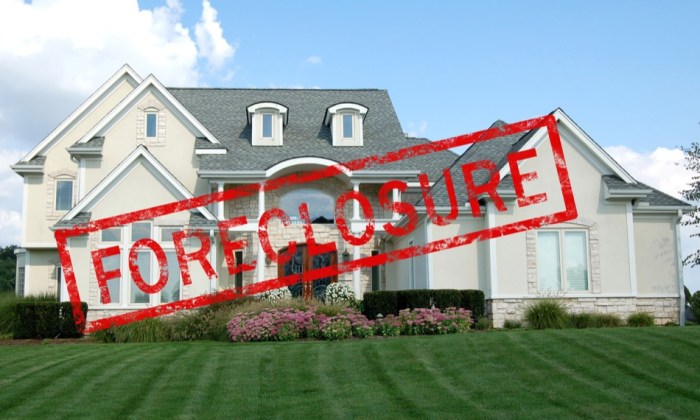
Foreclosure is a term that often raises concern among homeowners and potential buyers alike. It refers to a legal process in which a lender attempts to recover the balance of a loan from a borrower who has stopped making payments. Understanding how foreclosure works can demystify the process and help individuals navigate its complexities. This section delves into the step-by-step mechanics of foreclosure, the legal consequences for homeowners, and the common misconceptions surrounding this often-feared process.
Step-by-Step Process of Foreclosure
The foreclosure process typically unfolds in several stages, which can vary by state and lender. Below are the key stages typically involved in foreclosure:
1. Missed Payments
The process begins when a homeowner fails to make mortgage payments. Generally, after about 30 days of missed payments, the lender may reach out.
2. Notice of Default
After several missed payments, the lender will issue a Notice of Default (NOD), officially notifying the homeowner of the delinquency.
3. Pre-Foreclosure
This stage allows homeowners some time to negotiate with the lender, explore alternatives like loan modification, or sell the home to avoid foreclosure.
4. Foreclosure Sale
If no resolution is reached, the property will be sold at a foreclosure auction. This is typically public and open to all bidders, including investors.
5. Post-Foreclosure
Following the auction, the winning bidder becomes the new owner. The previous homeowner often has a brief grace period to vacate the property, but if they do not, eviction proceedings may begin.
Legal Implications of Foreclosure for Homeowners
Foreclosure carries significant legal implications for homeowners. Once the process begins, it can affect credit scores, making it challenging for individuals to secure loans in the future. Legally, once a property is foreclosed, the homeowner loses all rights to the property. Not only does this entail the loss of the home, but it can also subject the homeowner to potential deficiency judgments.
A deficiency judgment occurs when the sale of the property does not cover the outstanding mortgage balance, allowing lenders to pursue borrowers for the remaining amount.Furthermore, homeowners may face tax implications, as forgiven debt can sometimes be viewed as taxable income by the IRS. It’s crucial for homeowners facing foreclosure to consult with legal and financial advisors to understand their rights and responsibilities.
Common Misconceptions about Foreclosure
Foreclosure is often surrounded by myths that can mislead homeowners into making uninformed decisions. Below are some prevalent misconceptions clarified:
- Foreclosure is an instantaneous process: Many believe that foreclosure occurs overnight. In reality, it is a lengthy process that can take several months or even years.
- Homeowners cannot negotiate with lenders: Another myth is that once a foreclosure process has started, homeowners have no options left. Many lenders are open to negotiations, especially in the pre-foreclosure phase.
- All foreclosures are the same: Different states have different laws governing foreclosure, which means the process can vary widely depending on location. Understanding local laws is essential.
- Foreclosure only affects bad borrowers: Economic downturns or sudden financial hardships can lead anyone into foreclosure, regardless of their borrowing history.
“Understanding the nuances of foreclosure can empower homeowners to take action before it’s too late.”
Role of Real Estate Professionals in Foreclosure
In the world of real estate, particularly during the foreclosure process, the role of real estate professionals is crucial. These experts not only navigate the complexities of the market but also provide essential support to clients facing the challenges of foreclosure. Their knowledge and experience can significantly impact the outcome of foreclosure transactions, making them invaluable assets.Real estate agents bring a wealth of knowledge to the foreclosure process, assisting clients in various ways.
They help translate the often convoluted terms and conditions of foreclosure into understandable language, ensuring clients are informed at every step. Their expertise extends to understanding market trends, property valuations, and negotiation tactics, all of which are critical in securing the best possible outcome for their clients.
Importance of Real Estate Agents in Foreclosure Transactions
The involvement of real estate agents in foreclosure transactions is paramount for several reasons. Their role encompasses a broad range of responsibilities that are essential to both buyers and sellers in such situations. Here are some of the critical functions they perform:
- Market Analysis: Agents conduct comprehensive analyses of the local real estate market, providing insights on property values and the competitive landscape. This helps clients make informed decisions.
- Negotiation: Real estate professionals are skilled negotiators who advocate for their clients’ interests. They can effectively negotiate terms with lenders and other parties involved in the foreclosure process.
- Guidance Through Legalities: Foreclosures often involve intricate legal processes. Agents help clients understand their rights and obligations while guiding them through necessary legal steps.
- Property Listing and Marketing: For sellers, real estate agents can effectively market foreclosed properties, leveraging their networks and platforms to reach potential buyers.
- Access to Resources: Agents typically have access to a variety of resources, including listings of foreclosures, market data, and connections to other professionals such as inspectors and appraisers.
Real estate agents also play a pivotal role in managing client expectations. They provide insights into the realities of the foreclosure process, ensuring that clients are prepared for potential challenges.
“Having a knowledgeable real estate professional on your side during foreclosure can make all the difference in navigating this complex terrain.”
Overall, the guidance and support offered by real estate professionals are critical in alleviating the stress associated with foreclosure. Their expertise not only helps clients achieve favorable outcomes but also provides peace of mind during a tumultuous time.
Investing in Foreclosed Properties
Investing in foreclosed properties can be a lucrative opportunity for real estate investors. By purchasing homes that have gone through foreclosure, investors can often acquire properties at significantly reduced prices compared to the current market value. However, navigating this process requires a solid understanding of the strategies, risks, and financing options available to make an informed investment.Understanding the strategies for buying foreclosed homes is crucial for maximizing returns and minimizing losses.
Investors should adopt a proactive approach, conducting thorough research on available properties, the foreclosure process, and the local real estate market. Taking the time to analyze comparable sales in the area can help identify potential investment opportunities and avoid overpaying for a property.
Strategies for Buying Foreclosed Homes as an Investment
Investors can enhance their chances of successfully purchasing foreclosed properties by employing several effective strategies:
- Research the Market: Understanding the local housing market is vital. Look for neighborhoods with rising property values and strong demand.
- Work with Professionals: Partnering with real estate agents who specialize in foreclosures can provide valuable insights and access to listings before they hit the market.
- Attend Auctions: Many foreclosed properties are sold at public auctions. Preparing for these events by understanding the bidding process and setting a budget can lead to successful purchases.
- Invest in Repairs: Properties in foreclosure often require significant repairs. Assessing renovation costs accurately can help you determine the potential return on investment.
- Be Patient: The foreclosure process can be lengthy. Patience is crucial as investors wait for the right opportunity to emerge.
Risks and Benefits of Investing in Real Estate Foreclosures
Investing in foreclosures comes with inherent risks and benefits that potential investors should carefully consider:
“Investing in foreclosures can yield high rewards but also carries significant risks.”
The benefits of purchasing foreclosed properties include lower purchase prices, potential to increase property value through renovations, and the opportunity to enter markets that might be otherwise unaffordable. However, risks include hidden property damages, complex legal issues, and unpredictable resale values. Preparing for these challenges and understanding the property’s condition is critical.
Guide on How to Finance a Foreclosure Purchase
Financing a foreclosure purchase can differ from traditional home buying. Here are key points to consider when securing financing:
1. Private Lenders
Many investors opt for private loans due to less stringent requirements compared to banks. These loans can help finance renovations.
2. Hard Money Loans
These short-term loans are often used for quick purchases and are based on the property’s value rather than the buyer’s creditworthiness. They typically come with higher interest rates.
3. FHA 203(k) Loans
These government-backed loans allow buyers to finance both the purchase price and the renovation costs into one mortgage, making them an appealing option for foreclosures needing repairs.
4. Cash Offers
Having cash on hand can be a powerful negotiation tool in competitive bidding situations. Sellers often prefer cash offers to avoid potential financing delays.
5. Conventional Mortgages
While possible, using conventional loans may require a larger down payment and may not be feasible for properties in poor condition.Investing in foreclosed properties can be rewarding for those who are well-prepared and informed. By employing effective strategies, understanding the associated risks and benefits, and knowing how to finance a purchase, investors can navigate the foreclosure landscape successfully.
Conclusive Thoughts
In summary, understanding how foreclosure works step by step is essential for anyone involved in the real estate market. Whether you are a homeowner facing foreclosure or an investor seeking opportunities in this field, being informed can lead to better decisions and outcomes. By grasping the process and leveraging the expertise of real estate professionals, you can navigate the challenges of foreclosure with confidence.
Detailed FAQs
What is foreclosure?
Foreclosure is a legal process where a lender takes possession of a property due to the homeowner’s failure to make mortgage payments.
How long does the foreclosure process take?
The foreclosure process can take anywhere from a few months to over a year, depending on state laws and the specific circumstances.
Can I stop foreclosure once it has started?
In some cases, homeowners may be able to stop foreclosure through loan modification, bankruptcy, or selling the home before the process is complete.
Is it possible to buy a foreclosed home with a mortgage?
Yes, many buyers can finance a foreclosed home with a mortgage, although they may need to meet specific lender requirements.
What should I look for when buying a foreclosed property?
Buyers should assess the property’s condition, research its market value, and consider potential repair costs before making a purchase.


