
Best cities for condo investment 2025 sets the stage for this enthralling narrative, offering readers a glimpse into a story that is rich in detail and brimming with originality from the outset.
As the real estate landscape evolves, certain cities are rising to the forefront as prime locations for condo investment. This overview will delve into economic indicators, compare rental yields and property appreciation rates, and highlight the role of real estate agents in navigating these dynamic markets.
Best Cities for Condo Investment in 2025
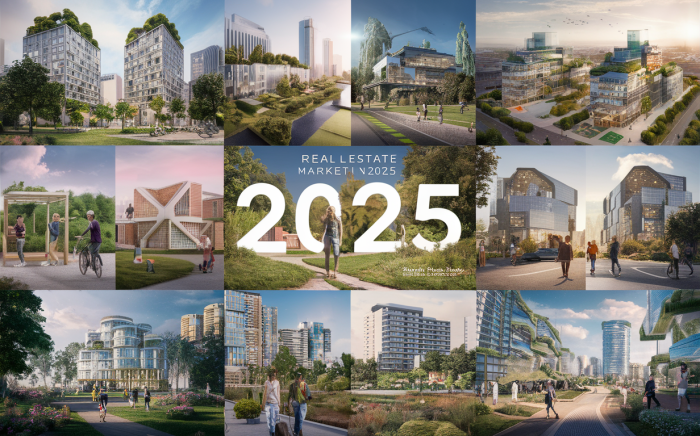
As the real estate landscape evolves, certain cities are emerging as hotspots for condo investment in 2025. Investors are increasingly looking for locations that not only promise steady rental income but also potential for property appreciation. This discussion highlights the top cities projected for condo investments and examines the economic indicators that make these areas attractive for real estate ventures.Several key economic indicators play a crucial role in determining the attractiveness of a city for condo investment.
Factors such as job growth, population influx, and infrastructure development are essential in projecting future demand for rental properties. Additionally, cities that are prioritizing urban renewal and technological advancements are likely to see increased interest from investors.
Top Cities for Condo Investment
The following cities are identified as the best options for condo investment in 2025, based on comprehensive economic analysis and market trends:
- Austin, Texas: Known for its tech boom, Austin boasts a rapidly growing population and strong job market, making it a prime candidate for real estate investment.
- Miami, Florida: With a vibrant culture and influx of international buyers, Miami continues to show strong rental yields and consistent appreciation rates.
- Denver, Colorado: Denver’s appeal lies in its outdoor lifestyle and stable economy, which contribute to a steady demand for rental properties.
- Charlotte, North Carolina: Charlotte’s banking industry and ongoing urban development projects make it a favorable location for condo investment.
- Seattle, Washington: The city’s technology-driven economy and population growth are key factors that enhance its real estate market.
Economic Indicators Supporting Investment Decisions
Understanding the economic landscape is vital for making informed investment decisions. The following indicators have been identified as critical in assessing the viability of condo investments in these cities:
- Job Growth: A robust job market indicates economic stability, attracting more residents and increasing rental demand.
- Population Growth: Areas experiencing population growth are more likely to see a rise in housing demand, driving up property values.
- Infrastructure Development: Cities investing in transportation and amenities often see a direct impact on property values and rental rates.
- Market Trends: Analyzing previous trends in property appreciation and rental yields can offer insights into future performance.
Rental Yields and Property Appreciation Rates
When comparing rental yields and property appreciation rates among the selected cities, a clear picture emerges regarding the potential returns on investment.
| City | Average Rental Yield (%) | Annual Property Appreciation Rate (%) |
|---|---|---|
| Austin | 4.5 | 8.3 |
| Miami | 5.2 | 6.5 |
| Denver | 4.0 | 7.0 |
| Charlotte | 4.8 | 5.8 |
| Seattle | 3.9 | 9.0 |
The data presented demonstrates that cities like Austin and Seattle not only offer attractive rental yields but also notable appreciation rates, making them highly desirable for condo investments. Investors should consider these factors alongside personal financial goals when making decisions in the ever-evolving real estate market.
Role of Real Estate Agents in Condo Investments
Investing in condos can be both an exciting and daunting venture. Navigating the multifaceted real estate landscape requires expertise, especially when it comes to pinpointing the ideal investment properties. Real estate agents play a crucial role in this process, offering invaluable insights and resources that can significantly enhance the investment experience. Their knowledge and experience not only facilitate the search for the right property but also ensure that clients make informed decisions grounded in local market dynamics.Real estate agents are instrumental in helping investors identify suitable condo opportunities.
They leverage their understanding of market trends, neighborhood statistics, and client preferences to curate tailored property options. In competitive markets where demand often outpaces supply, agents employ various strategies to give their clients a competitive edge. Their ability to quickly analyze listings, conduct thorough market research, and tap into their professional networks often results in early access to properties that may not yet be publicly listed.
Strategies Employed by Realtors in Competitive Markets
The strategies realtors use in competitive markets are diverse and multifaceted, tailored to ensure their clients are well-positioned to secure favorable condo investments. Here are some key approaches:
- Market Analysis: Realtors conduct in-depth analyses of current market conditions, identifying trends that may affect pricing and availability. This helps investors understand when to act swiftly.
- Networking with Other Professionals: Agents maintain relationships with other real estate professionals, including mortgage brokers and fellow agents, which can provide access to off-market listings and insider information.
- Personalized Property Alerts: Many real estate agents set up customized alerts for their clients, notifying them of new listings that meet specific criteria, ensuring they are among the first to know about potential investments.
- Strong Negotiation Skills: Effective agents possess strong negotiation skills, which are crucial in competitive bidding situations. They advocate for their clients to secure the best possible purchase terms.
- Guidance on Financing Options: Realtors often provide insights on financing options, helping clients understand the best mortgage products available, which can strengthen their purchasing position.
Assessment of Property Value in Different Cities
The assessment of property value is a vital component of making informed condo investments. Real estate agents utilize various metrics and indicators to evaluate properties across different cities. This approach ensures that investors understand the fair market value of the condos they are considering. Realtors typically assess property value through:
- Comparative Market Analysis (CMA): This involves evaluating similar properties in the area that have recently sold, helping to establish a baseline for current market conditions.
- Location Trends: Understanding the specific nuances of different neighborhoods, such as growth potential, accessibility, and amenities, plays a critical role in determining property value.
- Local Economic Indicators: Agents consider factors such as employment rates, population growth, and housing demand, which can heavily influence property values in various cities.
- Property Condition and Features: The physical condition of a condo and its unique features (like square footage, renovations, and views) are factored into the overall valuation process.
In summary, the expertise of real estate agents is vital for anyone looking to invest in condos. Their strategic insights and market assessments provide a solid foundation for making sound investment decisions in the ever-changing real estate landscape.
Trends in Green Real Estate for Condominiums
The real estate landscape is evolving as sustainability takes center stage in condominium developments. The rise of eco-conscious living is leading to a significant shift in how properties are constructed, marketed, and valued. Investors are increasingly seeking out properties that not only provide aesthetic appeal but also align with environmental values, making green real estate trends crucial for any condo investment strategy in 2025.Sustainable building practices are gaining momentum in the condominium sector, with developers adopting innovative techniques that minimize environmental impact.
This transformation includes the use of renewable resources, energy-efficient appliances, and sustainable materials in construction. The integration of green roofs, solar panels, and rainwater harvesting systems are examples of features that enhance a building’s eco-friendliness. Furthermore, these practices not only contribute to lower utility costs for residents but also create a healthier living environment, appealing to a more conscientious buyer demographic.
Impact of Eco-Friendly Features on Property Value and Investor Interest
The incorporation of eco-friendly features significantly boosts property value and attracts investor interest. Properties that boast sustainable attributes are often seen as more desirable due to their lower operating costs and positive environmental impact. The following points Artikel the benefits associated with sustainable building practices:
- Reduction in utility bills: Energy-efficient systems lead to lower monthly expenses, making properties more attractive to potential buyers.
- Enhanced market appeal: Eco-friendly condos resonate with a growing segment of environmentally conscious buyers, driving demand.
- Long-term savings: Sustainable features can increase durability and reduce maintenance costs over time, providing better returns on investment.
- Positive community perception: Developments that prioritize sustainability often benefit from favorable public perception, enhancing overall property values.
“Green buildings are not just a trend; they are becoming a benchmark for quality in real estate.”
Effects of Green Certifications on Marketability
Green certifications play a pivotal role in enhancing the marketability of condominiums in top investment cities. These certifications, such as LEED (Leadership in Energy and Environmental Design) and ENERGY STAR, signify that a property meets specific environmental standards. Such recognitions elevate a condo’s status and can influence buyer decisions. The following factors illustrate the significance of green certifications:
- Increased trust: Certifications provide credibility, assuring buyers of a building’s sustainable practices.
- Higher resale values: Certified properties often command higher prices compared to non-certified ones.
- Competitive advantage: In saturated markets, green certifications can set a property apart, attracting eco-conscious buyers.
- Incentives and rebates: Many cities offer tax breaks or rebates for sustainable developments, enhancing financial returns for investors.
“Green certifications not only validate a property’s commitment to sustainability, but they also enhance its overall investment profile.”
Epilogue
In conclusion, understanding the best cities for condo investment in 2025 not only empowers investors but also highlights the importance of sustainable practices in real estate. By considering these insights, potential investors can make informed decisions that resonate with both their financial goals and environmental values.
Clarifying Questions
What are the top cities for condo investment in 2025?
The top cities include those with strong economic indicators, high rental yields, and robust property appreciation rates, often featuring urban developments and appealing lifestyles.
How do economic indicators affect condo investments?
Economic indicators such as job growth, population trends, and local infrastructure improvements significantly influence demand and property values in real estate markets.
Why is it important to work with a real estate agent?
Real estate agents provide expert guidance, market insights, and negotiation skills, helping investors to navigate competitive condo markets effectively.
What role do green certifications play in condo investments?
Green certifications can enhance property value and attract eco-conscious buyers, making investments in sustainably built condos more appealing in the market.
What trends should investors watch for in 2025?
Investors should keep an eye on the rise of sustainable building practices, urban development projects, and shifting demographics that may impact condo demand and values.


