
Green real estate trends 2025 are set to redefine the landscape of property ownership and investment. With growing awareness around climate change and sustainability, homebuyers and investors are increasingly seeking eco-friendly options that not only reduce their carbon footprint but also offer long-term financial benefits.
In the coming years, we can expect a surge in the adoption of sustainable building materials and energy-efficient technologies, which will play a crucial role in property valuation and marketability. As real estate agents adapt their marketing strategies to highlight these green features, the real estate industry will evolve to meet the demands of an environmentally conscious clientele.
Green Real Estate Trends in 2025
As the world continues to prioritize sustainability, the green real estate market is evolving rapidly. In 2025, several trends are emerging that reflect a growing commitment to environmentally-friendly practices in property development and management. Developers, investors, and consumers are increasingly aware of the benefits of green buildings, both for the environment and for their financial returns. This shift in mindset is not only reshaping the way real estate is developed, but also how properties are valued and marketed.Sustainable building materials are becoming a cornerstone of green real estate practices.
The use of materials that are renewable, recyclable, or have a lower environmental impact is expected to significantly influence property valuation. As buyers increasingly seek homes built with eco-friendly materials, properties that utilize sustainable resources can command higher prices and attract more interest in the marketplace. This trend is not only about aesthetics but also about long-term value appreciation, as properties with sustainable features tend to have lower maintenance costs and higher energy efficiency.
Impact of Sustainable Building Materials on Property Valuation
The incorporation of sustainable building materials into real estate developments is reshaping property valuation. Buyers are now more inclined to invest in properties that minimize environmental impact, and this preference is reflected in property pricing. Here are some key points illustrating this trend:
- Properties built with recycled or sustainably sourced materials often receive premium pricing due to their appeal to eco-conscious buyers.
- Homes featuring durable materials that reduce maintenance needs can see an increase in resale value, as prospective buyers recognize the long-term savings.
- Sustainable building certifications, such as LEED or BREEAM, significantly enhance property value. Properties with these credentials are often seen as more desirable investments.
- Investors are increasingly evaluating potential returns based on energy efficiency and sustainability features, leading to higher market demand for green properties.
The significance of energy efficiency certifications cannot be overstated. These certifications not only validate the energy-saving features of a property but also play a crucial role in attracting buyers.
Role of Energy Efficiency Certifications in Attracting Buyers
Energy efficiency certifications serve as a mark of quality and sustainability, thus influencing buyer behavior in the real estate market. These certifications assure buyers that a property adheres to rigorous energy performance standards, which can lead to substantial savings on utility bills. Here are some critical aspects regarding their impact on buyer attraction:
- Properties with recognized energy efficiency certifications tend to sell faster, as buyers are increasingly inclined to choose homes that promise lower long-term energy costs.
- Having energy efficiency labels enhances the marketability of a property, setting it apart in a competitive real estate landscape.
- Certified homes often enjoy a lower vacancy rate, as tenants are more likely to be attracted to the cost savings associated with energy-efficient living.
- Buyers are also more aware of the environmental impact of their choices, leading them to prioritize homes that demonstrate a commitment to sustainability through certifications.
In summary, the trends shaping green real estate in 2025 reflect a significant shift towards sustainability. The use of sustainable building materials and the importance of energy efficiency certifications are crucial aspects that not only impact property valuation but also influence buyer preferences. As these trends continue to develop, they will further shape the landscape of real estate, making sustainability an integral part of property investment and ownership.
Role of Real Estate Agents and Realtors in Promoting Green Properties
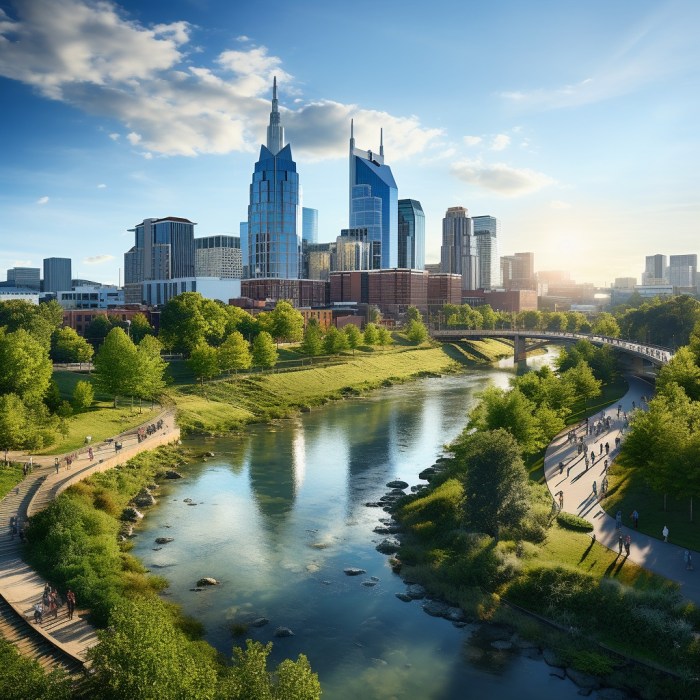
As the demand for eco-friendly homes continues to rise, real estate agents and realtors play a crucial role in promoting green properties. Their strategies to market these homes not only enhance sales but also contribute to sustainable living. Understanding the unique landscape of green real estate is essential for agents to effectively communicate its value to potential buyers.Real estate agents can adopt various strategies to market green properties effectively.
Utilizing digital platforms, engaging in community outreach, and leveraging partnerships with local eco-friendly businesses are essential tactics. Furthermore, agents should also integrate sustainability into their marketing materials, highlighting features such as energy-efficient appliances, solar panels, and sustainable building materials. To enhance visibility, hosting open houses focused on green living can attract environmentally conscious buyers.
Importance of Educating Clients on Eco-Friendly Homes
Educating clients on the benefits of eco-friendly homes is a paramount responsibility for real estate agents. By providing comprehensive information on energy savings, health benefits, and long-term financial advantages, agents can help clients make informed decisions. The following points Artikel the key advantages of eco-friendly homes that agents should emphasize:
- Energy Efficiency: Eco-friendly homes often feature energy-saving appliances and better insulation, resulting in lower utility bills.
- Health and Well-being: Many green homes use non-toxic materials and improve air quality, promoting a healthier living environment.
- Resale Value: Properties with green certifications often have a higher resale value, appealing to a growing market of conscious buyers.
- Tax Incentives: Various government programs provide tax incentives for homeowners who invest in green technology, making these homes financially attractive.
Comparison of Traditional Real Estate Practices with Green Real Estate Practices
Traditional real estate practices often focus on aesthetics and location, whereas green real estate practices prioritize sustainability and energy efficiency. This shift in focus necessitates a different approach by agents in terms of marketing strategies and client engagement.Key differences between traditional and green real estate practices include:
- Marketing Focus: Traditional agents may highlight square footage and luxury finishes, while green agents emphasize sustainability features and energy savings.
- Client Education: Green agents invest time in educating clients about eco-friendly options and their benefits, whereas traditional agents may not prioritize this.
- Networking: Green agents often collaborate with sustainability-focused organizations and professionals to provide added value, differing from conventional networking approaches.
- Certification Knowledge: Familiarity with green certifications, such as LEED or Energy Star, becomes essential for agents specializing in green properties, setting them apart from traditional agents.
“In the evolving real estate market, understanding and promoting green properties is not just a trend; it’s a responsibility towards sustainable living.”
Green Building Practices for Home Construction and Renovation
In the pursuit of sustainability, green building practices are becoming essential in both new constructions and renovations. Emphasizing energy efficiency, resource conservation, and the overall well-being of occupants, these practices not only support the environment but can also lead to significant cost savings in the long run. As homeowners increasingly seek ways to reduce their ecological footprint, understanding how to incorporate green features effectively becomes paramount.
Sustainable Materials and Technologies for Home Building
Selecting sustainable materials and technologies is a cornerstone of green building practices. These materials not only minimize environmental impact but also enhance the durability and efficiency of homes. Here’s a list of some commonly used sustainable materials and technologies:
- Recycled Materials: Utilizing materials that have been reclaimed or recycled reduces the demand for new resources. Examples include reclaimed wood, recycled metal, and glass.
- Low-VOC Paints and Finishes: These products emit fewer volatile organic compounds, improving indoor air quality.
- Energy-Efficient Windows: Double or triple-glazed windows help maintain indoor temperatures and reduce heating and cooling costs.
- Insulation Materials: Options such as cellulose made from recycled paper or sheep’s wool provide excellent thermal performance with minimal environmental impact.
- Solar Panels: Harnessing solar energy reduces reliance on fossil fuels and can significantly lower electricity bills.
- Green Roofs: These systems provide insulation, reduce urban heat, and manage stormwater effectively.
Guide for Homeowners on Integrating Green Features During Renovation
Renovating a home presents a prime opportunity to integrate green features, enhancing efficiency and sustainability. Homeowners can adopt several strategies to ensure their renovations are eco-friendly:
1. Conduct an Energy Audit
Before starting renovations, assess the home’s energy efficiency. An audit can identify areas for improvement, such as insulation, ventilation, and heating systems.
2. Choose Energy-Efficient Appliances
When replacing appliances, select ones that have the ENERGY STAR label, ensuring lower energy consumption without sacrificing performance.
3. Implement Smart Home Technology
Integrating smart thermostats, lighting controls, and energy monitoring systems can optimize energy use and provide real-time data on consumption patterns.
4. Source Local Materials
Using materials produced locally reduces transportation emissions and supports local economies.
5. Focus on Water Efficiency
Install low-flow fixtures, rainwater harvesting systems, and drought-resistant landscaping to conserve water during and after renovations.
Investing in green renovations not only benefits the environment but can also enhance the resale value of the property, yielding significant long-term financial benefits.
Long-Term Financial Benefits of Investing in Green Homes
Investing in green homes can lead to substantial financial advantages over time. Homeowners experience reduced utility bills due to increased energy efficiency, which can lead to savings of hundreds to thousands of dollars annually. Additionally, many green features qualify for tax credits or rebates, further offsetting costs.Moreover, studies have shown that green homes tend to have higher resale values compared to traditional homes.
For instance, properties with energy-efficient certifications often sell for 10-15% more, appealing to an increasingly environmentally conscious market. In various real estate markets, green renovations have also been linked to shorter selling times due to higher demand.By focusing on sustainable building practices, homeowners can not only contribute positively to the environment but can also secure their financial future through wise investments in green technology and materials.
Final Thoughts
In summary, the emergence of green real estate trends in 2025 illustrates a significant shift towards sustainability in the housing market. As we embrace these changes, both buyers and sellers will benefit from increased property values and a healthier planet. Staying informed and adapting to these trends will be essential for anyone involved in real estate in the coming years.
FAQ Section
What are the main drivers of green real estate trends 2025?
The main drivers include increasing environmental awareness, government incentives for eco-friendly housing, and the demand for energy-efficient homes from buyers.
How do sustainable materials impact home value?
Sustainable materials often enhance home value by attracting eco-conscious buyers and potentially lowering energy costs, which are appealing features in the market.
What role do certifications play in green real estate?
Certifications like LEED (Leadership in Energy and Environmental Design) provide credibility and can significantly influence buyer decisions by demonstrating a commitment to sustainability.
How can real estate agents effectively market green properties?
Agents can highlight energy savings, health benefits, and the long-term cost efficiency of green features while educating clients on the advantages of eco-friendly living.
Are there financial incentives for investing in green real estate?
Yes, many governments offer tax breaks, rebates, and grants for green home improvements, which can offset initial costs and enhance return on investment.


