
Kicking off with Recycled and upcycled construction materials, this topic highlights the innovative shift in the building industry towards sustainability. As the world becomes increasingly aware of environmental issues, the construction sector is embracing materials that not only reduce waste but also promote a circular economy.
Recycled and upcycled materials refer to products that have been repurposed or reclaimed from previous uses, offering an array of benefits for builders and homeowners alike. From reclaimed wood to recycled metal, these materials are transforming how we approach construction, making it both eco-friendly and economically savvy.
Understanding Recycled and Upcycled Construction Materials
Recycled and upcycled construction materials are gaining traction as the building industry moves towards more sustainable practices. Understanding the distinctions between these two categories can help builders and architects make informed choices that benefit both the environment and their projects. Recycled materials refer to items that have been processed to reclaim raw materials for use in new products. In construction, this typically involves taking old materials and breaking them down into their fundamental components for reuse.
Upcycled materials, on the other hand, are items that are repurposed into new products without necessarily breaking them down. This often involves creative redesign, adding value and functionality while minimizing waste.
Examples of Common Recycled Materials in Construction
Many materials can be recycled and used in construction. The following are noteworthy examples that illustrate their applicability in building projects:
- Recycled Concrete: Often sourced from demolished structures, recycled concrete can be crushed and used as aggregate in new concrete or as a base material for roads and other construction projects.
- Recycled Steel: Steel can be melted down and reformed into new products, which is especially beneficial given that steel production is energy-intensive. This form of recycling is widely used in structural frameworks.
- Recycled Wood: Salvaged wood from old buildings can be repurposed into beams, flooring, or decorative elements, providing a rustic aesthetic while preserving resources.
- Recycled Glass: Glass can be crushed and used as aggregate in concrete or as decorative elements in various applications, including countertops and tiles.
- Recycled Asphalt: Old asphalt can be reused in new pavement applications. This not only saves resources but also reduces the need for new materials.
The environmental benefits of using these materials are manifold. By integrating recycled and upcycled materials into construction, the demand for new raw materials is diminished, which can lead to reduced mining, quarrying, and deforestation activities. Moreover, utilizing these materials helps divert waste from landfills, lowering overall waste production.
Utilizing recycled and upcycled materials leads to a decrease in carbon emissions associated with the extraction and processing of new materials.
By embracing recycled and upcycled materials, the construction industry can significantly contribute to sustainability efforts, promoting a circular economy that prioritizes resource conservation and waste reduction.
Integrating Recycled Materials in Real Estate Practices
Integrating recycled and upcycled materials into real estate practices is not only a sustainable choice but also a smart marketing strategy. With growing consumer awareness about environmental issues, properties that utilize these materials can stand out in a competitive housing market. Real estate agents and builders can leverage this trend to appeal to eco-conscious buyers and create homes that are both stylish and responsible.For real estate agents, promoting properties that feature recycled materials involves highlighting the unique benefits these materials bring.
Agents can educate potential buyers on the sustainability aspects of the home, showcasing how the use of recycled materials reduces waste and lowers the carbon footprint. Additionally, they can incorporate marketing strategies that emphasize the aesthetic and functional advantages of these materials.
Methods for Real Estate Agents to Promote Properties Utilizing Recycled Materials
Emphasizing the eco-friendly features of homes can significantly enhance their marketability. Here are effective methods agents can use:
- Highlight Sustainability Features: Create marketing materials that point out the use of recycled materials, such as reclaimed wood or recycled glass, in the property’s construction. This can be done through brochures, listings, and online platforms.
- Share Success Stories: Include testimonials or case studies from previous buyers who appreciate the environmental benefits of their homes, thereby inspiring new buyers.
- Utilize Virtual Tours: Offer virtual tours that showcase the unique design elements made from recycled materials, allowing potential buyers to experience the aesthetics directly.
- Host Eco-Friendly Open Houses: Organize events that focus on sustainability, featuring local eco-friendly vendors or presentations on the benefits of recycled materials in construction.
Builders looking to incorporate upcycled materials can do so in various innovative ways. This not only enhances the design of the home but also promotes sustainability.
Incorporating Upcycled Materials into Home Designs Effectively
Builders can creatively integrate upcycled materials into their projects, tapping into a variety of sources and styles. Here are practical approaches:
- Use Reclaimed Wood: Incorporate reclaimed wood for beams, flooring, and cabinetry. This not only adds character but also tells a story of sustainability and history.
- Repurpose Old Fixtures: Salvaging items such as doors, windows, and even plumbing fixtures can add unique charm while reducing waste.
- Source Local Materials: Utilize materials sourced from local deconstruction sites to minimize transportation emissions and support the local economy.
- Integrate Upcycled Surfaces: Employ recycled glass and metal surfaces in countertops and backsplashes, which can enhance the aesthetics and durability of kitchens and bathrooms.
The current market shows a significant shift towards green real estate, with increasing demand for properties that are not only environmentally friendly but also cost-effective in the long run. Buyers are recognizing the advantages of investing in homes that support sustainability.
Appeal of Green Real Estate in the Current Market
As buyers become more environmentally conscious, green real estate is gaining traction. The appeal lies in various aspects:
- Lower Energy Costs: Homes utilizing recycled materials often feature better insulation and energy-efficient designs, leading to reduced utility bills.
- Health Benefits: Eco-friendly homes improve indoor air quality through the use of non-toxic materials, promoting better health for residents.
- Increased Resale Value: Properties with sustainable features tend to have higher resale values, as they attract a growing market of eco-aware buyers.
- Tax Incentives: Many regions offer tax breaks or incentives for homeowners who invest in sustainable practices and materials, making these properties financially attractive.
Trends and Innovations in Sustainable Construction
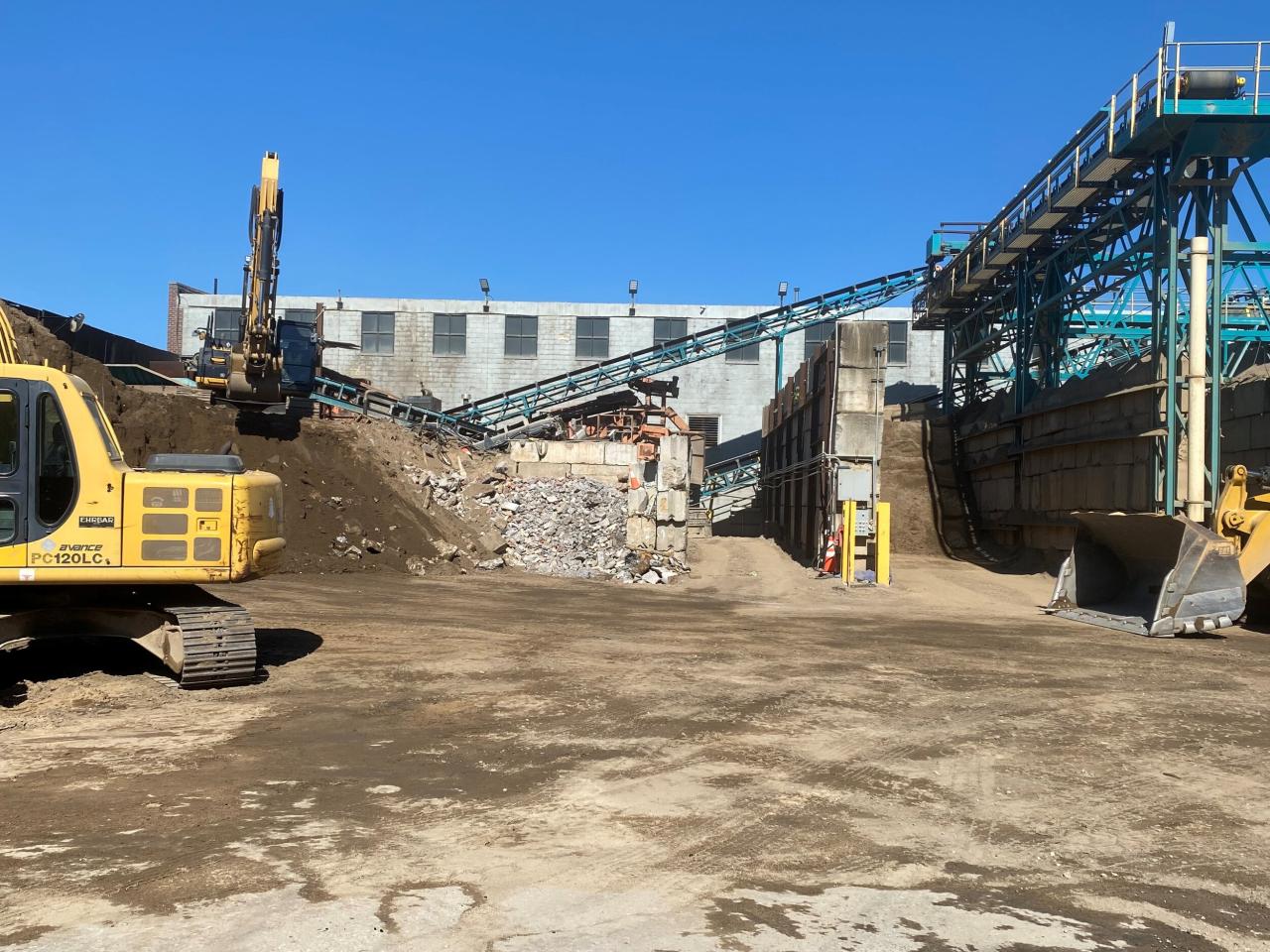
As the construction industry continues to evolve, there is an increasing emphasis on sustainability. This shift is driven not only by regulatory demands but also by a growing awareness of environmental issues among consumers and developers alike. The use of recycled and upcycled materials has become a key focus area, leading to innovative practices that redefine traditional construction methods.
Trends in Commercial Construction Emphasizing Recycled Materials
The trend towards sustainable construction is evident in various commercial projects that integrate recycled materials. Developers are increasingly recognizing the benefits of utilizing these materials, which not only reduce waste but also lower overall construction costs. The following points highlight the key trends:
- Material Innovation: New building materials made from recycled resources, such as plastic and metal, are being developed. For instance, concrete made from recycled aggregates has gained traction in the market.
- Government Regulations: Many regions have implemented regulations that encourage or mandate the use of recycled materials in construction projects. Compliance with these laws not only fosters sustainability but also enhances a company’s reputation.
- Corporate Responsibility: Companies in the commercial sector are adopting sustainable practices as part of their corporate social responsibility initiatives. This shift includes the use of recycled materials to appeal to eco-conscious consumers.
Comparison of Traditional Versus Sustainable Construction Practices in Real Estate Development
In evaluating construction practices, a clear distinction emerges between traditional and sustainable approaches. Traditional construction often prioritizes speed and cost-efficiency, frequently at the expense of environmental considerations. On the other hand, sustainable construction emphasizes long-term ecological benefits, resource conservation, and energy efficiency.
| Aspect | Traditional Construction | Sustainable Construction |
|---|---|---|
| Material Usage | New materials, often non-renewable | Recycled and upcycled materials |
| Waste Generation | High levels of waste | Minimized waste through recycling |
| Energy Efficiency | Less focus on energy usage | Prioritizes energy-efficient designs |
| Cost | Lower initial costs, higher long-term costs | Higher upfront costs, lower operating costs |
Innovations in the Use of Upcycled Materials for Building Homes and Commercial Properties
The innovative repurposing of materials has become a hallmark of modern sustainable construction. Upcycled materials not only provide a unique aesthetic but also significantly reduce the carbon footprint associated with new material production. Innovations in this area include:
- Reclaimed Wood: Utilizing wood from old barns or factory floors for flooring or structural beams creates a rustic yet modern look while preserving natural resources.
- Shipping Containers: Converting used shipping containers into homes and commercial spaces is a growing trend that exemplifies creative upcycling, offering a durable and cost-effective solution.
- Glass Recycling: Incorporating recycled glass into architectural designs, such as countertops or decorative features, not only enhances aesthetic appeal but also promotes resource sustainability.
Conclusion
In conclusion, the integration of recycled and upcycled construction materials is not just a trend but a necessary evolution in the building sector. By choosing these sustainable options, builders and homeowners can contribute to a healthier planet while also enhancing the appeal and value of their properties.
FAQs
What is the difference between recycled and upcycled materials?
Recycled materials are processed from waste products to create new materials, while upcycled materials are repurposed into new uses without significant processing.
Are recycled materials more expensive than new materials?
Not necessarily; recycled materials can often be more affordable due to lower processing costs, and their use can lead to savings in other areas like waste disposal.
How do I ensure the quality of recycled materials?
Buy from reputable suppliers who adhere to quality standards and can provide certifications for the materials.
Can upcycled materials be used in all construction projects?
While many upcycled materials are versatile, it’s essential to consider local building codes and regulations for specific projects.
What are the environmental benefits of using these materials?
Using recycled and upcycled materials reduces landfill waste, conserves natural resources, and minimizes the carbon footprint associated with new material production.


