Top real estate coaching programs are essential for aspiring agents looking to navigate the complexities of the real estate market. With the right guidance and mentorship, these programs equip agents with the tools they need to thrive in a competitive environment. In this exploration, we will delve into the key features that make coaching programs effective and examine some of the most popular methodologies in the industry.
As we explore various coaching approaches, we will highlight how these programs can significantly impact professional development, providing case studies of successful agents who have harnessed the power of coaching to propel their careers forward. Additionally, we’ll touch on specialized coaching areas that address the unique challenges across different real estate sectors.
Overview of Top Real Estate Coaching Programs
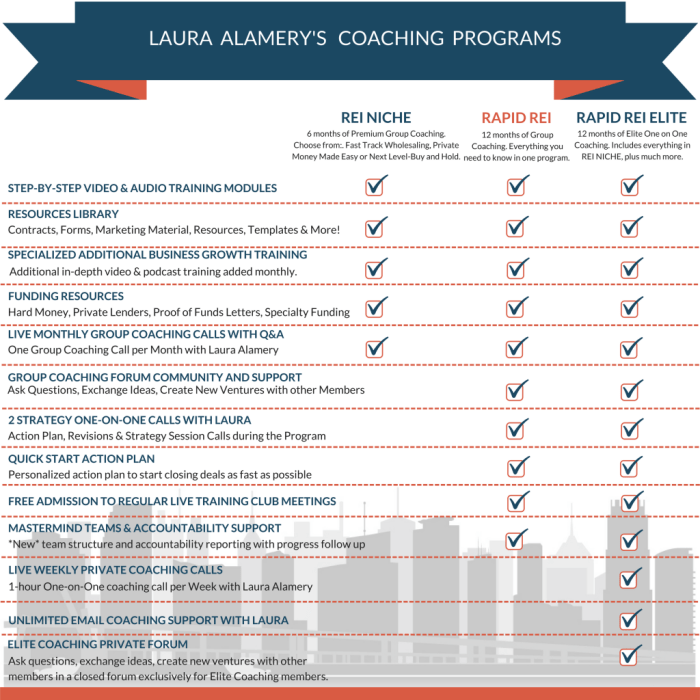
Real estate coaching programs play a crucial role in the development of aspiring agents. They provide structured guidance, strategies, and support that can significantly enhance an agent’s effectiveness and success in the competitive real estate market. With the right coaching, agents can sharpen their skills, expand their knowledge, and learn to navigate the complexities of real estate transactions.Effective coaching programs are characterized by several key features that contribute to their impact on participants.
First, they often provide personalized coaching, ensuring that each agent receives tailored advice based on their unique strengths and weaknesses. Additionally, high-quality programs incorporate training modules that cover essential topics such as marketing, sales techniques, negotiation skills, and market analysis. Furthermore, the best coaching programs foster a supportive community, enabling agents to network, share experiences, and learn from one another.
Key Features of Effective Coaching Programs
When evaluating real estate coaching programs, it’s important to consider specific features that enhance their effectiveness. The following elements are commonly found in successful programs:
- Personalized Coaching: One-on-one sessions help agents develop customized strategies that align with their individual goals.
- Comprehensive Curriculum: Programs cover a wide range of topics, including legal aspects, property valuation, and technology tools that are essential for modern real estate.
- Accountability Mechanisms: Regular check-ins and performance tracking keep agents on target and motivated to achieve their objectives.
- Access to Resources: Participants gain access to valuable materials such as templates, scripts, and market analysis tools that aid in their daily operations.
- Networking Opportunities: Group sessions and community events facilitate connections with other agents and industry experts, fostering collaboration and knowledge exchange.
Comparison of Popular Real Estate Coaching Programs
Several popular real estate coaching programs have distinguished themselves through unique methodologies and results. Here’s a brief overview of some well-known options:
| Coaching Program | Methodology | Key Features |
|---|---|---|
| The Mike Ferry Organization | Direct sales training approach focusing on scripts and role-playing. | Proven techniques, accountability, and live events. |
| Tom Ferry Coaching | Holistic coaching combining mindset, skill development, and technology. | Personal development, online training, and team-building strategies. |
| Brian Buffini’s Coaching | Relationship-based approach emphasizing referrals and personal connections. | Strong focus on building client relationships and lead generation. |
| Real Estate Coaching by Keller Williams | Structured framework within a supportive company culture. | Access to company resources, mentorship, and value-driven training. |
Each program has its strengths and is suited for different types of agents. Choosing the right program requires consideration of personal goals, preferred learning styles, and the specific skills one wishes to develop.
“Coaching in real estate is not just about sales; it’s about building a sustainable business that thrives on relationships and knowledge.”
Impact of Real Estate Coaching on Professional Growth
Coaching in real estate is an influential factor that can significantly shape the trajectory of an agent’s career. Through structured guidance and tailored support, coaching programs equip agents with the tools they need to navigate the complexities of the real estate market. The influence of such coaching goes beyond simple skill enhancement; it cultivates a mindset geared for success, empowering real estate professionals to achieve remarkable milestones in their careers.
Coaching programs offer a wide array of benefits that directly impact the success of real estate agents and realtors. With personalized strategies and accountability, agents are often able to increase their productivity, improve their sales techniques, and expand their client base. Through goal-setting and performance tracking, agents become more focused and driven. Coaching not only develops practical skills but also enhances critical thinking and decision-making abilities necessary in a competitive market.
Case Studies of Successful Agents in Coaching
Numerous successful agents have transformed their careers through real estate coaching. One notable example is Lisa Smith, who, after joining a coaching program, increased her annual sales from $1 million to over $5 million within two years. The coaching sessions focused on honing her negotiation skills and developing a robust marketing strategy. In a similar vein, Mark Johnson, another agent, credits his coaching experience for helping him double his listings in just a year.
With tailored support, he learned how to leverage social media effectively and build relationships in his community.
These case studies underscore the tangible benefits of coaching in real estate. Agents who engage with coaches often gain insights that lead to innovative approaches to problem-solving and client engagement. The coaching experience not only facilitates personal growth but also nurtures a network of successful, like-minded professionals, further enhancing their career prospects.
Skills Developed Through Coaching in Real Estate
The skills cultivated through real estate coaching are essential for navigating the buying and selling processes effectively. Agents typically experience growth in various key areas, which may include:
- Negotiation Skills: Agents learn advanced techniques to negotiate better prices and terms for their clients, ensuring favorable outcomes in transactions.
- Marketing Strategies: Coaches help agents devise effective marketing plans that maximize their visibility and attract potential buyers more efficiently.
- Time Management: Agents develop strategies to prioritize tasks and manage their schedules effectively, leading to increased productivity.
- Client Relationship Management: Coaching emphasizes the importance of building and maintaining strong client relationships, which is crucial for repeat business and referrals.
- Market Analysis: Agents acquire skills in analyzing market trends and property values, enabling them to provide informed advice to clients.
Through these developed skills, coaching equips real estate agents not only to close deals but also to become trusted advisors to their clients. This holistic approach fosters long-term success in the industry, ensuring that agents remain competitive and knowledgeable in a rapidly evolving market. The impact of real estate coaching extends beyond immediate sales; it shapes a professional’s entire career path, paving the way for ongoing growth and achievement.
Specialized Coaching Areas within Real Estate
The real estate industry encompasses a diverse range of sectors, each requiring tailored knowledge and skills. Specialized coaching programs help professionals navigate these unique areas, enhancing their capabilities and marketability. This section delves into coaching programs focusing on commercial properties, as well as various coaching approaches addressing different real estate sectors, including condos, foreclosures, and green real estate.
Coaching Programs Focused on Commercial Property and Commercial Construction
Coaching in commercial real estate is essential for those looking to excel in a competitive market. Programs often cover various aspects, from property valuation to lease negotiations, providing insights into the intricacies of commercial transactions.Key components of these coaching programs include:
- Market Analysis: Understanding market trends, demographic shifts, and economic factors that influence commercial property investment.
- Financing Strategies: Techniques for securing financing for commercial projects, including traditional loans, private equity, and crowdfunding.
- Project Management: Skills needed to manage commercial construction projects effectively, focusing on budgets, timelines, and contractor management.
- Investment Strategies: Learning how to identify, evaluate, and invest in profitable commercial properties.
Comparison of Coaching Approaches for Different Real Estate Sectors
Different real estate sectors require distinct coaching methodologies, as each sector presents unique challenges and market dynamics. Understanding these differences is crucial for real estate professionals aiming to specialize.Here’s a comparison of coaching approaches for various sectors:
| Real Estate Sector | Coaching Focus | Target Audience |
|---|---|---|
| Condos | Emphasis on market trends, buyer behavior, and management of homeowner associations. | Agents and property managers targeting condo markets. |
| Foreclosures | Strategies for identifying deals, understanding the auction process, and navigating financing options. | Investors and agents specializing in distressed properties. |
| Green Real Estate | Focus on sustainable practices, energy efficiency, and eco-friendly building materials. | Agents and developers interested in environmentally conscious projects. |
Coaching Programs for Home Staging, Real Estate Investing, and Land Development
Coaching programs tailored to specific real estate niches like home staging, investing, and land development offer distinct offerings that cater to professionals seeking to excel in these areas.Here is a detailed overview of each program’s specific offerings:
| Coaching Program | Specific Offerings |
|---|---|
| Home Staging Coaching | Techniques for enhancing property appeal, understanding buyer psychology, and effective staging strategies. |
| Real Estate Investing Coaching | Investment analysis, portfolio diversification, and risk management strategies. |
| Land Development Coaching | Site selection, zoning laws, and project planning, including environmental impact assessments. |
“Specialized coaching empowers real estate professionals to master their chosen niches, ensuring they are equipped to meet market demands.”
Concluding Remarks
In conclusion, the journey through the landscape of top real estate coaching programs reveals their crucial role in shaping the success of real estate professionals. From enhancing essential skills to offering targeted insights into various market sectors, these programs serve as invaluable resources for agents eager to maximize their potential. As the real estate industry continues to evolve, investing in quality coaching can be the key differentiator for those looking to excel.
Questions and Answers
What are the benefits of real estate coaching?
Real estate coaching helps agents develop essential skills, gain industry insights, and improve their sales techniques, ultimately leading to increased success.
How do I choose the right coaching program?
Consider factors such as program methodology, areas of specialization, and the qualifications of the coaches when selecting a coaching program that suits your needs.
Are there coaching programs specifically for commercial real estate?
Yes, there are specialized coaching programs that focus on commercial real estate, providing tailored strategies and insights relevant to that sector.
How long do coaching programs typically last?
Coaching programs can vary in length, ranging from a few weeks to several months, depending on the curriculum and objectives of the program.
Do I need prior experience to join a coaching program?
Many coaching programs are designed for all levels of experience, from beginners to seasoned professionals, making them accessible regardless of your background.


