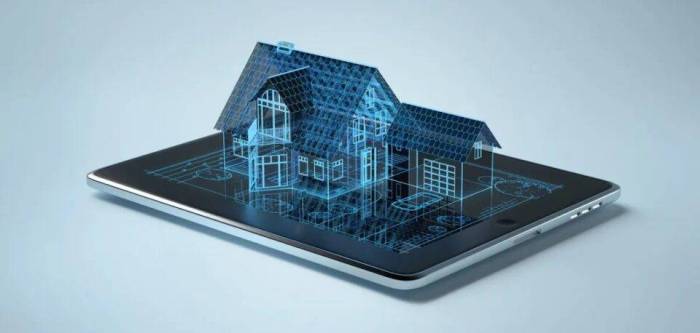
Smart home technology for new builds is revolutionizing the way we think about our living spaces. As homes become more interconnected, the integration of smart devices offers not only convenience but also efficiency and sustainability. This emerging trend is shaping the future of residential construction, making it essential for homeowners and builders to understand its components and benefits.
The significance of smart home technology lies in its ability to enhance the living experience through automated features that increase security, energy efficiency, and overall comfort. From smart thermostats that learn your habits to integrated security systems, these technologies are becoming standard in new constructions, aligning with modern buyer expectations.
Smart Home Technology Overview
As modern living continues to evolve, smart home technology is becoming an essential aspect of new builds, enhancing the functionality and convenience of residential spaces. This technology integrates various devices and systems to create a seamless living experience, allowing homeowners to control their environment effortlessly, often from the palm of their hand.Incorporating smart home technology into new builds involves the integration of numerous components that collectively contribute to a connected, efficient living space.
These components not only improve user experience but also enhance the home’s overall energy efficiency and security.
Key Components of Smart Home Systems
When discussing smart home systems, several key components are typically included, each serving a specific purpose in enhancing the automated living experience. Understanding these components is vital for home builders and homeowners alike.
- Smart Lighting: Allows homeowners to control lighting remotely, set schedules, and adjust brightness and color through smart bulbs and switches.
- Smart Thermostats: Regulate temperature based on user preferences and occupancy patterns, optimizing energy consumption while maintaining comfort.
- Smart Security Systems: Incorporate cameras, motion detectors, and alarms that can be monitored and controlled via smartphone apps, ensuring safety and peace of mind.
- Smart Appliances: These include refrigerators, ovens, and washing machines that can be controlled remotely, providing convenience and energy efficiency.
- Smart Speakers and Voice Assistants: Enable voice control over various devices, allowing for hands-free operation and integration with other smart technologies.
Benefits of Integrating Smart Technology into Home Design
The integration of smart technology into home design offers numerous benefits, enhancing the quality of life for residents and adding value to the property. These advantages can lead to significant lifestyle improvements and cost savings over time.
- Energy Efficiency: Smart devices are designed to optimize energy consumption, leading to lower utility bills. For instance, smart thermostats can learn a homeowner’s schedule and adjust heating and cooling accordingly, which can reduce energy waste.
- Enhanced Security: Smart security systems provide real-time alerts and remote access, allowing homeowners to monitor their property from anywhere, greatly enhancing safety measures.
- Convenience: Automation of daily tasks through smart devices means that homeowners can control various aspects of their home with ease, whether it’s adjusting the thermostat or turning on lights, all via their smartphones or voice commands.
- Increased Home Value: Properties equipped with smart technology often attract higher resale values. Homebuyers increasingly prioritize smart features, making these homes more marketable.
- Customization: Smart home systems allow for personalization of settings to suit individual preferences, enhancing the overall living experience.
“The future of home living lies in the seamless integration of technology, making our environments not just places to live, but smart spaces that adapt to our needs.”
Real Estate Market Trends
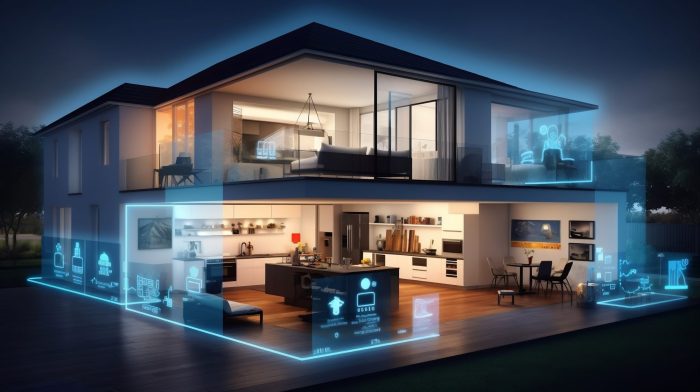
As smart home technology continues to evolve, it is reshaping the landscape of the real estate market. Modern buyers are increasingly seeking residences equipped with innovative technologies that enhance convenience, security, and efficiency. This shift not only influences buyer preferences but also affects how real estate professionals market and sell properties. Understanding these trends is crucial for agents looking to stay relevant in a competitive market.
Influence of Smart Home Technology on Buyer Preferences
The integration of smart home technology is becoming a key factor in buyer decision-making processes. More homebuyers, particularly millennials and Gen Z, prioritize properties that offer smart features, often viewing them as essential rather than optional. The following aspects highlight how smart home technology is influencing buyer preferences:
- Smart energy management systems appeal to environmentally conscious buyers, allowing them to monitor energy consumption and reduce utility costs.
- Enhanced security features, such as smart locks and surveillance cameras, provide peace of mind, making properties with these amenities more attractive.
- Home automation systems that control lighting, heating, and appliances add convenience and can be controlled remotely, appealing to tech-savvy individuals.
- Smart home integrations can increase accessibility for individuals with disabilities, broadening the market appeal of a property.
Leveraging Smart Home Features to Enhance Property Value
Real estate agents can capitalize on the growing demand for smart features by effectively marketing these technologies to potential buyers. Highlighting the following smart home features can significantly enhance the perceived value of a property:
- Smart thermostats, such as Nest or Ecobee, that optimize heating and cooling efficiency can be a strong selling point, showcasing potential energy savings.
- Integrated home security systems with remote monitoring capabilities add a layer of safety that many buyers actively seek.
- Smart lighting systems that can be programmed or controlled via smartphone apps demonstrate modernity and user-friendliness.
- Home assistants like Amazon Echo or Google Home create a seamless living experience by controlling smart devices via voice commands, appealing to tech enthusiasts.
Impact of Smart Technology on Marketing Strategies of New Builds
Smart technology is increasingly becoming a central theme in the marketing strategies of new residential developments. Developers are recognizing the competitive edge that smart home features can provide in a saturated market. Here are some strategies being employed:
- Utilizing virtual tours and augmented reality applications that allow potential buyers to experience smart home features before construction is completed.
- Creating targeted advertising campaigns that emphasize the benefits of smart technologies, such as energy efficiency and enhanced security.
- Offering customizable smart home packages that cater to individual buyer preferences, further incentivizing purchase commitments.
- Engaging in partnerships with technology brands to create co-branded marketing materials that emphasize the quality and reliability of smart home products.
Sustainable Building Practices
The integration of smart home technology with sustainable building practices creates a harmonious environment where modern convenience meets ecological responsibility. As more homeowners and builders embrace green initiatives, the connection between advanced technology and sustainability has become increasingly pronounced. Smart devices not only enhance the livability of homes but also contribute significantly to reducing their environmental impact.The synergy between smart home technology and sustainable building practices revolves around energy efficiency and resource conservation.
Smart devices play a vital role in monitoring and managing energy consumption effectively, leading to a decrease in greenhouse gas emissions. By utilizing data from smart meters and sensors, homeowners can make informed decisions about their energy use, resulting in lower utility bills and a reduced carbon footprint.
Energy-Efficient Smart Devices
Energy-efficient smart devices are pivotal in driving sustainability in new construction. These devices work together to create a cohesive system that optimizes energy use throughout the home. Here are several examples of how these features enhance environmental benefits for homeowners:
- Smart Thermostats: Devices like the Nest Learning Thermostat adjust heating and cooling settings based on occupancy and preferences. This not only ensures comfort but also minimizes energy wastage, with studies showing potential savings of up to 15% on heating and cooling costs.
- Smart Lighting: LED smart bulbs can be programmed to turn off when rooms are unoccupied or dimmed based on natural light availability. This reduces electricity consumption significantly, contributing to sustainable energy use.
- Smart Appliances: Energy-efficient smart appliances, such as refrigerators and washing machines, are designed to use less water and energy while maintaining performance. These appliances can be monitored and controlled remotely, allowing homeowners to operate them during off-peak energy hours for additional savings.
- Water Management Systems: Smart irrigation systems and leak detection devices help conserve water by optimizing irrigation schedules and identifying leaks. This is particularly beneficial in regions prone to drought, aiding in water conservation efforts.
- Home Energy Management Systems (HEMS): These systems integrate various smart devices and provide real-time analytics on energy consumption, allowing homeowners to make data-driven decisions to further enhance efficiency.
These examples illustrate how smart home technology not only benefits homeowners in terms of convenience and cost savings but also aligns with broader environmental goals. By incorporating these technologies into new builds, developers and homeowners can contribute meaningfully to sustainability efforts, promoting a greener future.
Outcome Summary
In conclusion, embracing smart home technology in new builds is not just about keeping up with trends; it’s about enhancing quality of life while promoting sustainable living practices. As we move forward, the synergy between technology and architecture will continue to evolve, creating homes that are not only smart but also environmentally conscious. This integration is key in meeting the demands of today’s homeowners and shaping the future of real estate.
FAQs
What is smart home technology?
Smart home technology refers to devices and systems that connect to the internet, allowing for remote management and automation of home functions.
How does smart home technology affect home value?
Integrating smart technology can enhance home value by appealing to tech-savvy buyers looking for modern features.
Are smart homes more energy-efficient?
Yes, smart homes can significantly improve energy efficiency through automation and smart device integration, reducing overall energy consumption.
Is smart home technology easy to install?
Many smart home devices are designed for easy installation, with some requiring professional installation depending on the complexity of the system.
What role do real estate agents play in promoting smart homes?
Real estate agents can highlight smart home features in property listings to attract buyers and demonstrate the added value of these technologies.


