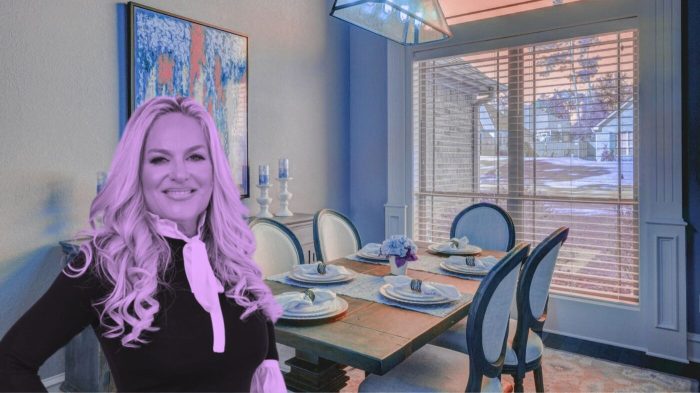
Luxury real estate trends 2025 are shaping an exciting landscape as we move toward a new era in property ownership and investment. With the emergence of innovative technologies and shifting consumer preferences, the market is evolving at an unprecedented pace.
Key factors such as sustainability, technology integration, and changing buyer demographics are redefining what luxury means in real estate. As affluent buyers become more conscious of eco-friendly practices and expect enhanced digital experiences, real estate professionals must adapt to meet these evolving demands.
Luxury Real Estate Market Overview
As we look towards 2025, the luxury real estate market continues to evolve, influenced by shifting consumer preferences, economic factors, and technological advancements. The landscape for high-end properties is not only shaped by traditional indicators like location and amenities but also by the growing importance of sustainability and innovation. This overview offers insights into the trends shaping luxury real estate and the key factors that are steering this dynamic market segment.
Emerging Trends in Luxury Real Estate
The luxury real estate market is witnessing several emerging trends that reflect changing buyer priorities and market conditions. One prominent trend is the increased demand for properties that offer wellness features and environmental sustainability. Buyers are increasingly looking for homes equipped with energy-efficient systems, sustainable building materials, and access to green spaces. This shift is often driven by a desire for healthier living environments and a growing awareness of climate change.In addition, urban living is evolving, with many high-net-worth individuals seeking luxury residences in urban centers.
Cities like Miami, New York, and Los Angeles are seeing a surge in luxury developments that prioritize convenience, lifestyle, and community engagement.
Key Factors Influencing the Luxury Market Segment
Several critical factors play a significant role in shaping the luxury real estate market. Economic conditions, particularly interest rates and inflation, can influence buyer behavior and market dynamics. In a low-interest-rate environment, luxury home purchases tend to increase as financing becomes more accessible. Conversely, rising rates may dampen demand.Moreover, demographic shifts are impacting the market. Millennials and Gen Z are emerging as influential buyers, often prioritizing technology and sustainability in their property choices.
These younger generations value smart home technologies and eco-friendly designs, which are reshaping the features that luxury homes must offer.
Impact of Technology on Luxury Real Estate Transactions
Technology is revolutionizing how luxury real estate transactions are conducted, enhancing efficiency and accessibility for buyers and sellers alike. Virtual reality (VR) and augmented reality (AR) are key players in this transformation. These technologies allow potential buyers to take immersive virtual tours of properties from the comfort of their homes, significantly expanding the reach of property listings.Additionally, blockchain technology is being explored for its potential to streamline transactions and enhance security.
Smart contracts can automate various aspects of the buying process, reducing the need for intermediaries and expediting deals. This level of efficiency appeals to high-end buyers who expect a seamless experience.The use of data analytics is also becoming increasingly significant in luxury real estate. Real-time market data allows agents and investors to make informed decisions, identifying trends and opportunities more effectively.
This technological integration not only benefits buyers and sellers but also enhances the overall transparency of the market.
“As technology continues to advance, the luxury real estate market will become more interconnected and efficient, paving the way for innovative buying and selling experiences.”
Real Estate Agents and Realtors in Luxury Markets

The landscape of luxury real estate is shifting, with agents playing a pivotal role in navigating this evolving sector. As high-net-worth individuals seek personalized services and unique experiences when buying or selling luxury properties, realtors are adapting their strategies to meet these demands. The role of real estate agents in luxury markets is not just about closing deals; it encompasses building relationships, offering exclusive insights, and understanding the nuances of high-end clientele.The modern luxury real estate agent must blend traditional sales techniques with innovative approaches to engage effectively with affluent clients.
This includes leveraging technology, understanding market trends, and providing tailored services. Agents must become trusted advisors, offering valuable information about properties, neighborhoods, and market conditions that resonate with wealthy buyers and sellers.
Evolving Strategies for Connecting with High-Net-Worth Clients
To successfully connect with high-net-worth clients, realtors should implement a range of strategies that cater specifically to the luxury market segment. Building a network of contacts and establishing a personal brand are critical components. Here are several effective strategies:
- Networking and Relationship Building: Attend exclusive events, galas, and charity functions where potential clients congregate. Personal connections often lead to referrals within affluent circles.
- Tailored Marketing Approaches: Develop bespoke marketing materials that highlight properties’ unique features and the lifestyle they offer, including high-quality photography and virtual tours that appeal to buyers’ aesthetics.
- Utilizing Social Media Channels: Platforms like Instagram and LinkedIn are effective for showcasing luxury listings and engaging with high-net-worth individuals. Share content that reflects luxury living, market insights, and community events.
- Providing Exceptional Service: Offer personalized services, such as private viewings, exclusive listings, and concierge-level support, to enhance the buying or selling experience.
- Knowledge of Local Markets: Be well-versed in the upscale neighborhoods and their specific attributes, trends, and amenities that attract wealthy buyers, ensuring clients feel confident in your expertise.
In comparison to traditional methods, modern approaches increasingly emphasize technology and customer experience. Luxury real estate agents are adopting digital tools, data analytics, and virtual reality to showcase properties and connect with clients more effectively.
Comparing Traditional and Modern Approaches to Selling Luxury Properties
The contrast between traditional and modern strategies in luxury real estate is stark, reflecting broader shifts in consumer behavior and technological advancements. Traditional approaches often relied heavily on in-person showings, print advertising, and word-of-mouth referrals. Agents focused on their local market knowledge and personal relationships to drive sales. However, this model is evolving:
- Digital Marketing: Modern agents utilize sophisticated online marketing techniques, including , targeted ads, and social media campaigns, to reach a broader audience of affluent buyers.
- Virtual Tours and Augmented Reality: Enhanced property visualization tools allow potential buyers to experience homes remotely, expanding reach and convenience.
- Data-Driven Insights: Realtors now analyze market data to identify trends and anticipate client preferences, allowing for more informed selling strategies.
- Global Reach: The internet has made it possible for agents to connect with international buyers, leveraging platforms that cater specifically to luxury markets worldwide.
- Personal Branding: Modern agents invest in building a personal brand through consistent online presence and reputation management, which is crucial in attracting high-net-worth clients.
As the luxury real estate market continues to evolve, agents must adapt to these changes by embracing modern technology while maintaining the personal touch that defines the luxury experience. Emphasizing the blend of innovation and traditional expertise will be key to success in this competitive environment.
Sustainable and Green Real Estate Trends
The luxury real estate market is witnessing a significant shift towards sustainability, as affluent buyers increasingly prioritize eco-friendly living. This trend is reshaping the design and construction of high-end properties, reflecting a growing awareness of environmental issues and a desire for homes that align with a sustainable lifestyle. The integration of green building practices not only enhances the aesthetic and functional appeal of luxury homes but also contributes to a healthier planet.As luxury consumers become more discerning, their preferences are steering the market towards innovative eco-friendly features.
Homebuyers are now looking for properties that not only boast opulence but also incorporate sustainable materials, energy-efficient systems, and smart home technologies. This shift is evident in the growing demand for features such as solar panels, rainwater harvesting systems, and high-performance insulation, which not only reduce the carbon footprint but also lower utility costs.
Consumer Preferences for Eco-Friendly Features in Homes
Homebuyers in the luxury segment are now more informed about environmental impacts and actively seek properties that reflect their values. Eco-friendly features have become essential selling points in luxury real estate. The following elements are particularly favored by consumers:
- Energy-efficient appliances that minimize energy consumption and reduce utility bills.
- Smart home technologies that optimize resource usage and enhance comfort.
- Renewable energy sources, such as solar panels, that contribute to energy independence.
- High-quality insulation and energy-efficient windows that enhance thermal performance.
- Landscaping designed with native plants that require less water and maintenance.
These preferences indicate a clear trend towards sustainable luxury, where high-end buyers seek to invest in homes that not only exude elegance but also promote environmental stewardship.
Certifications and Standards for Green Real Estate
As the demand for sustainable luxury homes rises, so does the importance of certifications and standards that verify the ecological integrity of properties. These certifications provide buyers with assurance that their homes meet rigorous environmental criteria. Key certifications include:
- LEED (Leadership in Energy and Environmental Design): This globally recognized certification focuses on sustainable building practices, offering various levels of certification based on performance in areas such as energy efficiency, water usage, and material selection.
- Energy Star: This label is awarded to buildings that meet strict energy performance standards, providing a benchmark for energy efficiency.
- BREEAM (Building Research Establishment Environmental Assessment Method): Widely used in Europe, BREEAM assesses the sustainability of buildings across various categories, including energy, water, and materials.
- Green Globes: This certification provides a flexible and affordable assessment process for commercial buildings, focusing on sustainability and environmental performance.
- Living Building Challenge: This rigorous standard goes beyond typical green certifications, demanding that buildings generate their own energy, capture their own water, and use only sustainable materials.
These certifications not only enhance property value but also appeal to a growing segment of buyers who are committed to sustainability and environmental responsibility.
“Investing in sustainable luxury real estate is not just a trend; it’s a commitment to a better future.”
Final Summary
In conclusion, understanding Luxury real estate trends 2025 is essential for navigating the dynamic market landscape. With sustainability at the forefront and technology transforming transactions, both buyers and agents must stay informed to capitalize on opportunities in this lucrative segment.
Answers to Common Questions
What are the main trends in luxury real estate for 2025?
The main trends include a focus on sustainability, increased use of technology in transactions, and personalized services for high-net-worth clients.
How is technology impacting luxury real estate transactions?
Technology is streamlining transactions through virtual tours, digital marketing, and advanced data analytics, making the process more efficient and user-friendly.
Why are eco-friendly features important in luxury homes?
Eco-friendly features appeal to environmentally conscious buyers who prioritize sustainability and energy efficiency, enhancing property value and appeal.
How can real estate agents connect with high-net-worth clients?
Agents can connect with high-net-worth clients by leveraging networking opportunities, providing personalized service, and showcasing exclusive listings effectively.
What certifications should luxury properties have for sustainability?
Certifications such as LEED, Energy Star, and Green Globes are important indicators of sustainability and eco-friendliness in luxury properties.


