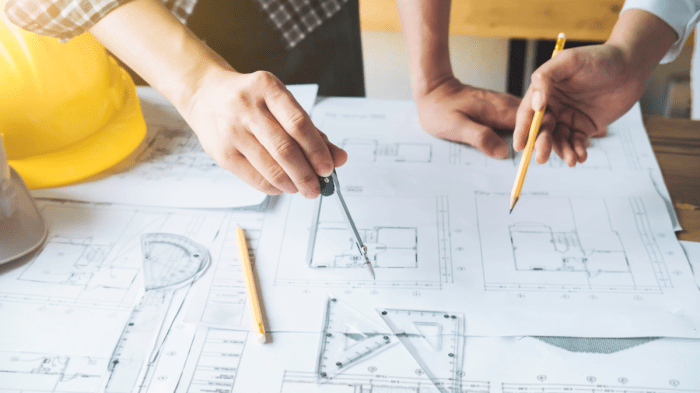
How to manage large-scale construction projects sets the stage for this enthralling narrative, offering readers a glimpse into a story that is rich in detail and brimming with originality from the outset.
Managing large-scale construction projects is a complex endeavor that requires meticulous planning, strategic collaboration, and a commitment to sustainable practices. From orchestrating timelines and budgets to engaging stakeholders, each phase presents its unique challenges and opportunities. Understanding the intricate relationship between construction and real estate further elevates the project’s success, especially in today’s market where sustainability plays a pivotal role.
Project Planning and Management Techniques
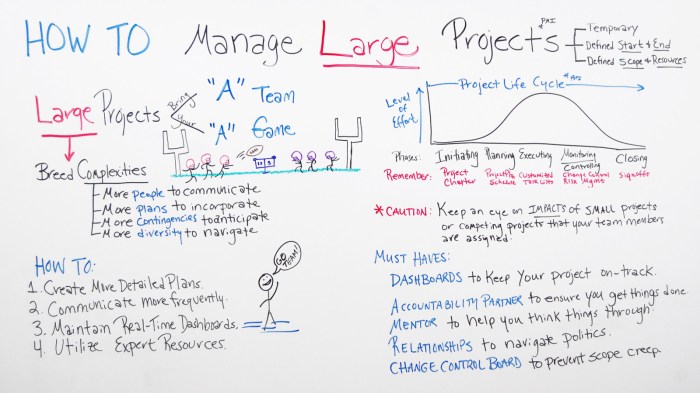
Effective project planning and management are essential components for the success of large-scale construction projects. These projects often involve numerous stakeholders, intricate timelines, and substantial budgets. A comprehensive approach facilitates organization, mitigates risks, and ensures that all parties remain informed and engaged throughout the project lifecycle.The stages involved in planning a large-scale construction project generally include initiation, planning, execution, monitoring, and closure.
Each stage plays a pivotal role in ensuring that the project is completed on time and within budget. To manage timelines and budgets effectively, project managers can employ various methodologies, including the Critical Path Method (CPM), Agile project management, and the use of Gantt charts. Additionally, maintaining robust communication channels among stakeholders is crucial for addressing challenges, aligning expectations, and ensuring accountability.
Stages of Planning
The planning phase is crucial for setting the foundation of a construction project. This phase typically encompasses the following stages:
- Initiation: This stage involves defining the project scope, objectives, and feasibility. It often includes securing necessary permits and approvals.
- Planning: Detailed planning is conducted, including resource allocation, budgeting, and creating a timeline. Risk management strategies are also developed during this phase.
- Execution: This stage entails the actual construction work, where project plans are put into action. Coordination with contractors, subcontractors, and suppliers is vital.
- Monitoring: Ongoing assessments of project progress are made to ensure that timelines and budgets are adhered to. Adjustments may be necessary to address any deviations.
- Closure: Final inspections, documentation, and project handovers occur in this stage, ensuring that all deliverables meet the established criteria.
Managing Timelines and Budgets
Employing effective methodologies for managing timelines and budgets is crucial for the success of construction projects. Key strategies include:
- Critical Path Method (CPM): This technique identifies the longest stretch of dependent activities and measures the time required to complete them, helping to prioritize tasks effectively.
- Agile Project Management: Although traditionally associated with IT, Agile principles can be applied to construction to improve flexibility and responsiveness to changes.
- Gantt Charts: Visualizing project timelines through Gantt charts allows stakeholders to track progress and understand how tasks overlap, facilitating better time management.
“Effective planning and management methodologies significantly reduce the likelihood of project delays and cost overruns.”
Importance of Stakeholder Engagement
Stakeholder engagement is a critical component in managing large-scale construction projects. Engaging stakeholders ensures that their needs and expectations are considered, which can lead to smoother project execution. Key aspects of communication and engagement include:
- Regular Updates: Consistent communication via meetings or reports keeps stakeholders informed about project milestones and challenges.
- Feedback Mechanisms: Implementing systems for stakeholders to provide feedback helps identify concerns early and fosters collaboration.
- Transparent Reporting: Sharing budgetary and timeline reports openly builds trust and encourages a sense of shared ownership among stakeholders.
“Strong stakeholder engagement can significantly contribute to project success by aligning interests and fostering collaboration.”
Collaboration with Real Estate Professionals
In large-scale construction projects, effective collaboration with real estate professionals is crucial for ensuring the success and profitability of developments. These experts bring a wealth of knowledge about the market, property values, and investment strategies that can significantly impact project outcomes. Understanding their roles and integrating their insights into construction planning can lead to better decision-making and smoother project execution.Real estate agents and realtors play essential roles in large-scale construction projects, acting as intermediaries between developers, investors, and the market.
Their expertise in property valuation, negotiation, and market trends can guide developers in making informed decisions. Moreover, they provide insights into zoning laws, local regulations, and community needs, which are vital for selecting appropriate sites for development.
Integration of Commercial Construction with Real Estate Investing Strategies
Integrating commercial construction with real estate investing strategies is fundamental to maximizing returns on investment. Understanding this connection helps in aligning construction efforts with market demand and investment goals. Key strategies for achieving this integration include:
- Market Research: Conduct comprehensive research to identify emerging trends and areas of growth. This includes studying housing demands, economic forecasts, and demographic shifts that can influence property values.
- Value Engineering: Implement strategies that focus on maximizing the value of a project while minimizing costs. This can involve choosing sustainable materials or efficient construction practices that appeal to modern investors.
- Partnerships: Collaborate with real estate investors early in the project planning phase. This ensures that the construction aligns with investor expectations and market needs, facilitating smoother financing and project approval.
- Risk Management: Develop risk assessment protocols that take into account real estate market volatility. By analyzing potential risks, developers can create contingency plans that protect investments.
The importance of market analysis cannot be overstated when selecting commercial property for development. A thorough market analysis informs decisions about site selection, project scope, and investment potential.
Importance of Market Analysis in Selecting Commercial Property
Conducting a detailed market analysis is essential for identifying viable locations for large-scale construction. It provides insights into supply and demand dynamics, competitive landscapes, and pricing trends. Key components of an effective market analysis include:
- Property Valuation: Assess the current and projected value of properties based on comparable sales and market conditions. This helps in determining the feasibility of potential developments.
- Demographics: Analyze the demographics of the target market, including income levels, population growth, and employment rates. Understanding the community’s needs ensures that developments are tailored to their requirements.
- Regulatory Environment: Investigate zoning laws, land use regulations, and permitting processes that could impact project viability. Knowledge of these factors allows developers to anticipate challenges and streamline approvals.
- Competitive Analysis: Evaluate existing competition in the market to identify gaps and opportunities. This analysis helps in positioning new developments effectively and attracting the right tenants or buyers.
“Effective collaboration with real estate professionals through market analysis and strategic integration is key to the success of large-scale construction projects.”
Sustainable Practices in Construction
The construction industry is experiencing a significant shift towards sustainability as stakeholders increasingly recognize the importance of eco-friendly practices. This transition is not only beneficial for the environment but also aligns with the evolving preferences of consumers and investors. Large-scale construction projects are now incorporating green real estate trends, which have a profound impact on how these projects are planned and executed.Sustainable construction practices involve integrating environmentally responsible methods into the building process.
This includes using renewable resources, minimizing waste, and enhancing energy efficiency. As the demand for sustainable buildings rises, understanding how to incorporate eco-friendly materials and practices is crucial for developers and contractors alike.
Green Real Estate Trends and Their Impact on Large-Scale Projects
The rise of green real estate reflects a growing awareness of environmental issues and the importance of sustainability. This trend encourages developers to pursue projects that focus on energy efficiency, reduced carbon footprints, and sustainable land use. The impact of these trends on large-scale projects includes:
- Enhanced marketability of properties that feature energy-efficient designs and eco-friendly amenities, attracting environmentally-conscious buyers.
- Potential for cost savings in energy consumption and maintenance over the lifespan of the building, improving return on investment.
- Compliance with increasing regulations and standards aimed at promoting sustainability, such as LEED certification and local green building codes.
The transition toward sustainable practices fosters a competitive edge, as developers who adopt these practices often find increased demand for their properties.
Incorporating Eco-Friendly Materials in Construction
The selection and use of eco-friendly materials are critical in sustainable construction. These materials not only reduce environmental impact but also contribute to healthier living spaces. Procedures for incorporating these materials include:
- Conducting thorough research to identify sustainable options, such as recycled, reclaimed, or rapidly renewable materials.
- Prioritizing materials with low VOC (volatile organic compounds) emissions to enhance indoor air quality.
- Utilizing local materials to reduce transportation emissions and support local economies.
- Implementing waste reduction strategies, such as reusing materials from deconstructed buildings.
By following these procedures, construction projects can significantly minimize their ecological footprint while promoting sustainable building practices.
Staging Homes for Sale Utilizing Sustainable Building Practices
Staging homes that adhere to sustainable practices requires a thoughtful approach that highlights the eco-friendly features of the property. Effective staging can attract buyers who appreciate sustainability. Key steps to consider include:
- Showcasing energy-efficient appliances and fixtures, such as LED lighting and high-efficiency HVAC systems, to demonstrate cost savings on utilities.
- Emphasizing the use of sustainable materials in construction and finishes, like bamboo flooring or reclaimed wood, to appeal to environmentally conscious buyers.
- Creating outdoor spaces with native plants that require less water and maintenance, thus promoting a sustainable landscape.
- Incorporating natural light through effective window placement and using light colors in staging to enhance the perception of space and energy efficiency.
By implementing these staging strategies, sellers can effectively communicate the value of sustainable living to prospective buyers, making their homes more attractive in the market.
Ending Remarks
In conclusion, effectively managing large-scale construction projects is not just about building structures; it’s about creating lasting value through careful planning and cooperation. As the industry evolves, embracing sustainable practices and real estate strategies will not only enhance project outcomes but also contribute positively to the environment and community. This multifaceted approach ensures that construction projects stand the test of time, both physically and economically.
Questions and Answers
What are the key stages in planning a large-scale construction project?
The key stages include project initiation, planning, execution, monitoring, and closure, each requiring specific tasks and deliverables.
How important is stakeholder communication in construction projects?
Stakeholder communication is crucial as it ensures that all parties are informed, engaged, and aligned with project goals, reducing risks of misunderstandings.
What role do real estate professionals play in construction projects?
Real estate professionals provide expertise in market analysis, property selection, and integration of construction with investment strategies, enhancing project viability.
How can sustainable practices be integrated into large-scale projects?
Sustainable practices can be integrated by using eco-friendly materials, adopting green building standards, and focusing on energy efficiency throughout the project lifecycle.
What are the benefits of incorporating sustainable building practices?
Incorporating sustainable building practices can lead to reduced environmental impact, lower operational costs, and increased market appeal, ultimately enhancing project profitability.


